Blog
Benefits of Air Source Heat Pumps for UK Homes
Benefits of air source heat pumps: why more UK homes are switching
As energy bills rise and interest in low-carbon living grows, the benefits of air source heat pumps are attracting attention from homeowners across the UK. These systems offer a practical, efficient alternative to traditional gas or oil boilers — suitable for upgrades and new builds alike. This article explains how air source heat pumps work, the practical benefits they deliver, and what to consider when deciding if one is right for your home.
How an air source heat pump works
An air source heat pump (ASHP) extracts heat from the outside air and transfers it into your home to provide space heating and hot water. The system draws ambient air across a refrigerant-filled coil; the refrigerant absorbs the heat, is compressed to raise its temperature, and then releases that heat into your central heating system or hot water cylinder. In many ways it operates like a refrigerator in reverse.
ASHPs run on electricity but deliver several units of heat for each unit of electricity used, making them far more efficient than direct electric heating. Modern models can continue to work effectively in low temperatures and some are reversible, offering summer cooling as well as heating.
Key benefits of air source heat pumps
Lower running costs and higher efficiency
One of the primary reasons households choose ASHPs is their efficiency. These systems use electricity to run, but they produce significantly more energy than they consume — up to 3–4 times more, in fact. That means for every kilowatt of electricity used, you could get 3–4 kilowatts of heat in return, so running costs are often lower than those of older electric storage heaters, oil boilers or inefficient gas systems.
Reduced carbon footprint
Because ASHPs transfer renewable heat from the air rather than burning fossil fuels on-site, they can dramatically reduce household carbon emissions. The environmental benefits increase further if the electricity supply is low-carbon or paired with on-site solar PV generation.
Government support and incentives
To encourage wider adoption of low-carbon heating systems, the UK government offers financial support schemes like the Boiler Upgrade Scheme (BUS). Homeowners installing eligible air source heat pumps can apply for a £7,500 grant towards the cost of installation (as of 2024). These incentives significantly reduce the upfront cost of switching, making renewable heating more accessible. Availability and eligibility change over time, so it's worth checking current guidance and discussing support options during a home survey.
Low maintenance and improved safety
ASHPs are mechanically simple compared with combustion appliances and require less routine maintenance. Regular servicing from a qualified installer, like the team at JLN Plumbing & Heating, helps maintain efficiency and prolong equipment life, while most systems only need an annual check-up. The absence of on-site combustion removes the risk of carbon monoxide leaks and associated hazards.
Reliable performance in UK conditions
Modern air source heat pumps are designed to operate effectively at low external temperatures. Many models can operate effectively at temperatures as low as -15°C, making them suitable for the vast majority of UK homes. Where cooling is desirable, reversible units can also offer a summer cooling function, replacing the need for a separate air conditioning unit.
Flexible installation and space savings
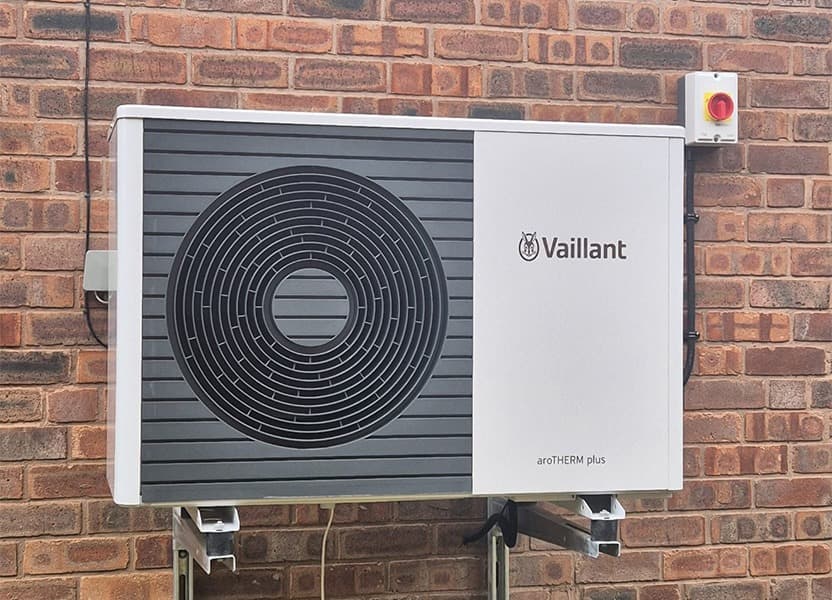
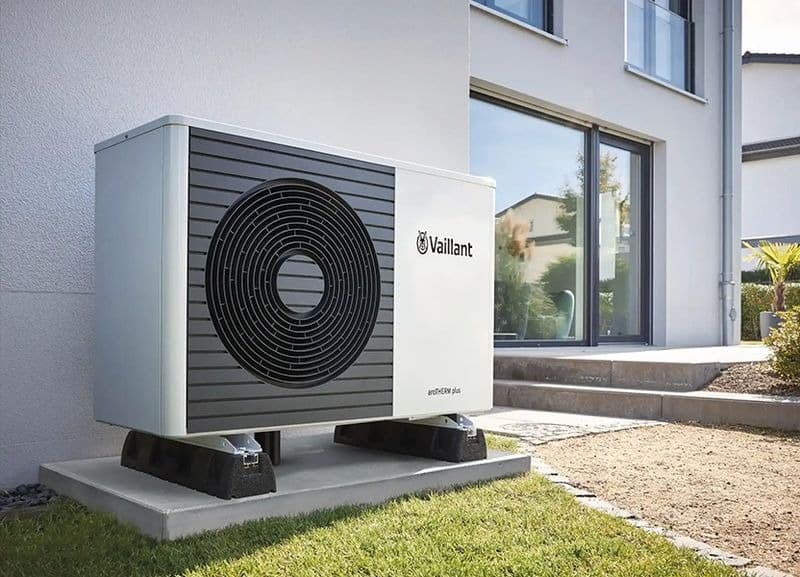
ASHPs suit a wide range of properties, from detached houses and bungalows to flats and new builds. The external unit is compact and typically sits on a wall bracket or a small slab, while indoor components connect to radiators, underfloor heating or a hot water cylinder. Because there's no fuel delivery or storage tank required, they are particularly convenient where oil tanks are impractical.
Long-term value and property appeal
Air source heat pumps are a long-term investment. With lower energy bills, financial incentives and a typical lifespan of 15–20 years, these systems often pay for themselves over time. Installing a low-carbon heating system can also improve your property's EPC (Energy Performance Certificate) rating, which is increasingly valued by buyers.
Quieter, cleaner operation
Contemporary ASHP models are quieter than earlier generations and operate without flues or combustion gases, resulting in a cleaner, more discreet system that's well suited to residential and rural settings.
Is an air source heat pump right for your home?
An ASHP performs best in well-insulated homes. If your home is older or has limited insulation, upgrades may be needed to achieve maximum benefit. You'll also need suitable outdoor space for the unit and room indoors for the cylinder and connections.
That's where we come in. At JLN Plumbing & Heating, we offer expert guidance tailored to your property. We'll assess your heating needs, insulation levels and existing system to help you decide whether an air source heat pump is the right choice for you.
"A fantastic group. Incredibly clued up on air source heat pumps, and backed by HeatGeek (which is where I found them for my install)." — Jon Thompson
Smart, sustainable, and ready for the future
Switching to an air source heat pump is more than a trend — it's a meaningful step toward energy efficiency, sustainability and lower heating costs. At JLN Plumbing & Heating, we install and maintain high-quality ASHP systems with professional care and advice at every stage. If you're ready to explore a more efficient way to heat your home, we're here to help.
- View our air source heat pump services
- Request a heat pump quote
- Contact our team for advice
Further reading
Ready to explore a low-carbon heating solution? Our specialist team provides surveys, tailored system design and professional installation across Coventry and the surrounding area.
Other Articles