Blog
Do Solar Panels Work in Winter? Practical UK Guide
Do solar panels work in winter? Practical UK homeowner guide
Do solar panels work in winter? Yes — they continue to produce electricity during the colder months, though output and the timing of generation change. This guide explains why winter performance differs from summer, what affects yield in the UK (with notes relevant to the Midlands), and the practical steps homeowners can take to get the most from their system.
How solar panels generate in winter
Solar PV generates from light rather than heat, so panels still produce on cold and cloudy days. In fact, lower temperatures can slightly improve panel efficiency. The main reasons winter output falls are shorter daylight hours, a lower sun angle and increased shading — not the cold itself.
Key winter influences on generation
- Day length and sun angle: Winter days in the UK have fewer useful daylight hours and the sun sits lower in the sky, so irradiance on panels is reduced even when temperatures are favourable.
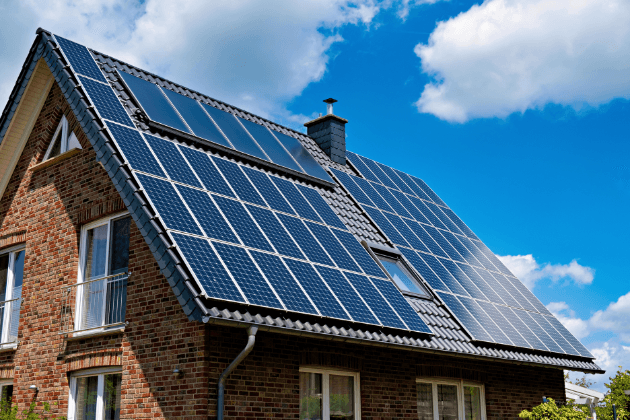
- Roof orientation and pitch: South-facing arrays typically perform best year-round. East and west orientations still work well, but the lower winter sun generally favours south-facing installations. A typical 30 to 40 degree pitch works well in the Midlands, offering a good compromise between summer and winter performance.
- Shading: With the sun lower, tall features such as chimneys, dormers, neighbouring houses and mature trees cast longer shadows, which can disproportionately affect winter output — especially on systems without optimisers or microinverters.
- Weather and precipitation: Cloud cover reduces direct irradiance but panels generate from diffuse light too. Rain is usually beneficial as it helps keep modules cleaner. Snow that settles and covers panels will stop generation while in place, but on sloped roofs light snow often slides off or melts quickly.
What to expect from a winter generation profile
Your generation curve in winter will look different to summer: lower peaks, a shorter profile and more variability on overcast days. That pattern is normal. Monitoring tools on modern inverters and battery systems make it straightforward to compare this winter’s output with the same period in previous years and to spot trends that may indicate an issue.
Midlands-specific considerations
Parts of the Midlands often see overcast winter days rather than bright, crisp sunshine. Local factors such as rows of similar-height terraced houses, mature street trees and multiple chimneys can create morning or afternoon shading. A competent installer will account for typical local shading when planning string layouts and choosing solutions such as optimisers or microinverters.
Practical steps to maximise winter performance
While you cannot change the weather, there are sensible measures that help you get the most from your system through the winter months.
- Keep panels clear and unobstructed: From ground level, check for overhanging branches, new aerials or roof furniture that may cast extra shade. Do not climb on roofs in icy conditions — for stubborn soiling or bird mess consider a professional clean.
- Use monitoring tools: Regularly check the inverter or companion app for your generation curve and any error messages. A steady winter-shaped curve is expected; sudden drops on sunny days warrant further investigation.
- Shift flexible loads into daylight hours: Use washing machines, dishwashers and similar appliances during late morning to early afternoon when panels are most likely to be producing. Built-in delay timers or smart plugs make this easy.
- Consider battery storage: Batteries do not increase total generation, but they store daytime surplus for evening use, smoothing the mismatch between short daylight hours and evening demand.
How batteries and heat pumps interact with winter solar
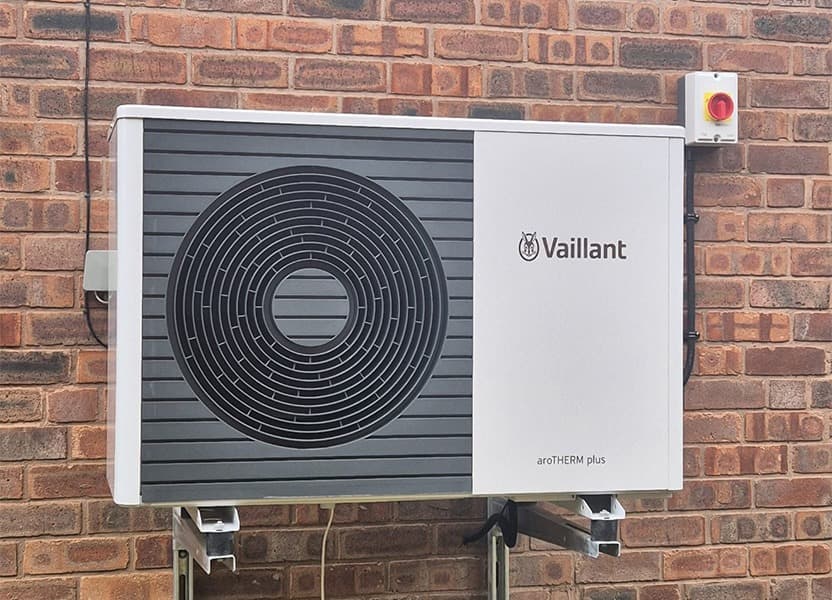
A battery makes winter solar more usable by storing what your panels produce during daylight for later use. This can reduce evening grid imports and work well with time-of-use tariffs. If you have a heat pump, solar will offset a portion of its demand in winter; combined systems (solar, battery and heat pump) can significantly reduce overall grid dependency, though solar alone may not cover all heating needs during the coldest periods.
Troubleshooting common winter issues
Seasonal reductions in output are normal, but sudden or severe changes may indicate a fault. Carry out these safe checks before contacting an installer:
- Compare generation for the current month with the same month last year if you have historical data.
- Check the inverter or app for error messages or repeated restarts.
- Look from the ground for obvious shading changes, visible damage or loose cables near the inverter.
- Confirm that isolation switches near the inverter or consumer unit have not been turned off.
If you notice burning smells, unusual inverter noises, visible damage to panels or roof fixings, or if the system repeatedly fails during sunny periods, contact a qualified installer rather than attempting electrical work yourself.
FAQs: quick answers about winter performance
- Do panels work on cloudy winter days? Yes — panels generate from daylight, although output is reduced compared with bright sunshine.
- Is it ever too cold for solar panels? No — cold improves efficiency slightly. Lack of light, not temperature, limits output.
- Should I clear snow from panels? In most of the UK snow melts or slides off roofs quickly. Never go on the roof in icy conditions; if snow persists and access is safe from the ground, consider professional assistance.
- Will a battery make winter solar worthwhile? A battery increases self-consumption by storing daytime surplus for use after dark, which often improves the overall value of winter generation.
- Should I turn the system off in bad weather? No — systems are designed to operate in normal UK weather. If you suspect storm damage contact your installer.
Next steps for your home energy plans
If you would like tailored advice on expected winter performance, battery options or combining solar with a heat pump, JLN Plumbing & Heating Ltd can help assess your roof, usage and local shading to design the right solution. Explore our services for solar PV, battery storage and heat pumps, and read our guide on solar, batteries and heat pumps working together. For friendly, local advice or to arrange a survey, call JLN Plumbing & Heating Ltd on 024 7667 7667.
Solar panel installation services | Request a solar panel quote
Other Articles