
Understand the right heat pump flow temperature for your home, heating system and everyday comfort.
Blog
Heat Pump Flow Temperature Explained (and why it matters)
JLN Plumbing, Heating, Electrical & Renewables
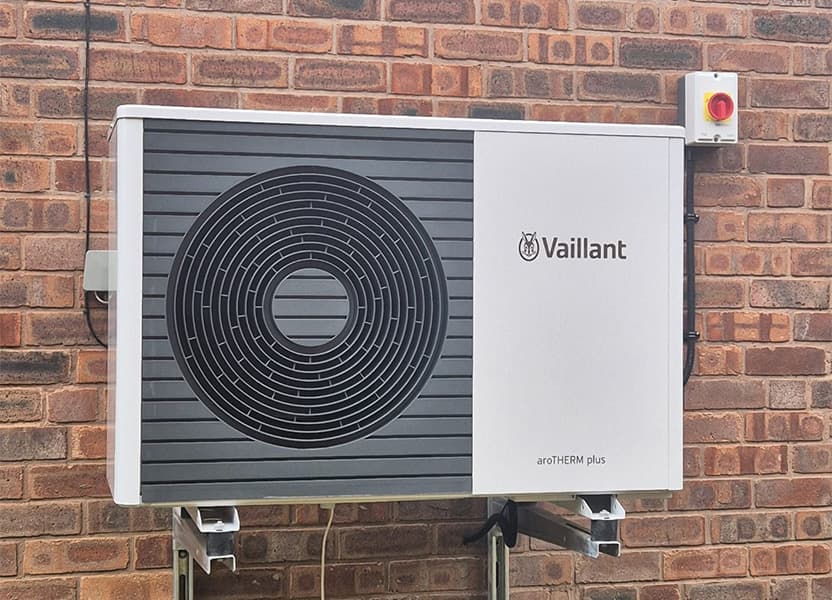
Heat pump flow temperature can seem technical, but it has a direct effect on how warm your home feels, how efficiently the system runs and how reliably it performs. Unlike a traditional boiler, a heat pump is generally designed to provide steady heat at a lower temperature, so getting the settings and system design right matters.
What is heat pump flow temperature?
Flow temperature is the temperature of the water leaving the heat pump and travelling around your radiators or underfloor heating. Once that water releases heat into the rooms, it returns to the heat pump at a lower temperature to be warmed again.
A heat pump usually works most efficiently when the difference between the outdoor temperature and the heating flow temperature is kept as small as practical. Raising the flow temperature makes the system work harder, which can reduce efficiency and may lead to less smooth operation. This is why hotter is not automatically better with a heat pump.
Typical temperatures for different emitters
Underfloor heating often works well with flow temperatures around 30°C to 40°C because it spreads warmth across a large floor area. Radiators may need approximately 35°C to 55°C, depending on their size, the insulation of the property and the design outdoor temperature.
These are useful guide ranges rather than fixed targets. A properly designed system should use the lowest flow temperature that can maintain the required indoor temperature during colder weather.
Flow temperature, comfort and efficiency
A higher flow temperature can make radiators feel hotter, but it does not necessarily make the whole home more comfortable. If the heat pump is oversized, the radiators are poorly balanced or the controls are unsuitable, increasing the temperature can simply cause uneven heating, short cycling or unnecessary energy use.
Heat pumps are usually most comfortable when they run for longer periods at a steady output. This allows rooms, floors and furnishings to warm gradually rather than creating sharp bursts of heat followed by long periods without heating.
Lower flow temperatures can support better heat pump efficiency.
Correct radiator sizing helps rooms reach the target temperature.
Steady operation is generally preferable to frequent starting and stopping.
Good controls help match heat output to changing outdoor conditions.
How weather compensation curves work
Weather compensation adjusts the flow temperature in response to the outdoor temperature. When it is mild outside, the system can circulate cooler water. As the weather becomes colder, the flow temperature increases along a programmed curve to maintain comfort indoors.
The curve needs to suit the individual property. If it is set too low, rooms may struggle to reach the desired temperature in cold weather. If it is set too high, the system may run hotter than necessary. Small changes should be assessed over time, as heat pumps respond gradually and outdoor conditions can vary throughout the day.
Heat loss and radiator sizing
A room-by-room heat loss survey is the starting point for a reliable heat pump design. It considers the size of each room, window areas, insulation, ventilation and the construction of the property. This shows how much heat each room needs on a cold day.
Radiators should then be selected to provide that output at the planned lower flow temperature. Existing radiators may be suitable in some rooms, while others may need larger or higher-output models. Simply connecting a heat pump to radiators designed for high-temperature boiler operation can result in poor comfort if their output is not checked.
Balancing, controls and commissioning
Even correctly sized equipment can underperform if the system is not balanced. Balancing ensures that each radiator or underfloor heating circuit receives an appropriate flow of water, rather than some rooms overheating while others remain cool.
Controls also play a major part. Weather compensation, room sensors, thermostatic radiator valves and zoning should work together rather than competing with one another. Professional commissioning should include checking flow rates, temperature differences, controls, system pressure, operating settings and the heat pump's response under realistic conditions.
JLN Plumbing, Heating, Electrical & Renewables brings heating expertise to heat pump projects, with MCS and Heat Geek training mentioned on its site. These authority signals support a methodical approach based on heat loss calculations, suitable emitters and careful commissioning, rather than simply selecting a large unit or high flow temperature.
A safe homeowner checklist
Homeowners can observe how the system behaves without adjusting technical commissioning settings. Keep notes over several days, including outdoor conditions, room temperatures and the points below:
Check the current flow temperature setting or display, if it is visible to you.
Note whether rooms reach and maintain the desired temperature.
Listen for frequent starting and stopping, known as short cycling.
Record rooms that consistently feel too warm or too cool.
Check whether heating behaviour changes when weather compensation is active.
Do not alter installer-level settings, refrigerant components, electrical connections, pump parameters or safety controls without professional advice. The weather compensation curve, maximum flow temperature, heat pump output settings and system balancing should be reviewed by a qualified heating professional, particularly during commissioning or if comfort problems persist.
Get the flow temperature set correctly
The best flow temperature is not a universal number. It depends on the home's heat loss, radiators or underfloor heating, insulation, controls and the design of the complete system. A proper heat loss survey followed by thorough commissioning gives the heat pump the best chance of delivering steady comfort, efficient operation and dependable performance.
To request a heat pump assessment, contact JLN Plumbing, Heating, Electrical & Renewables on 02476677667. You can also read more about the heat pump installation service or continue with the guide to heat pumps vs boilers.
Other Articles